 By Admin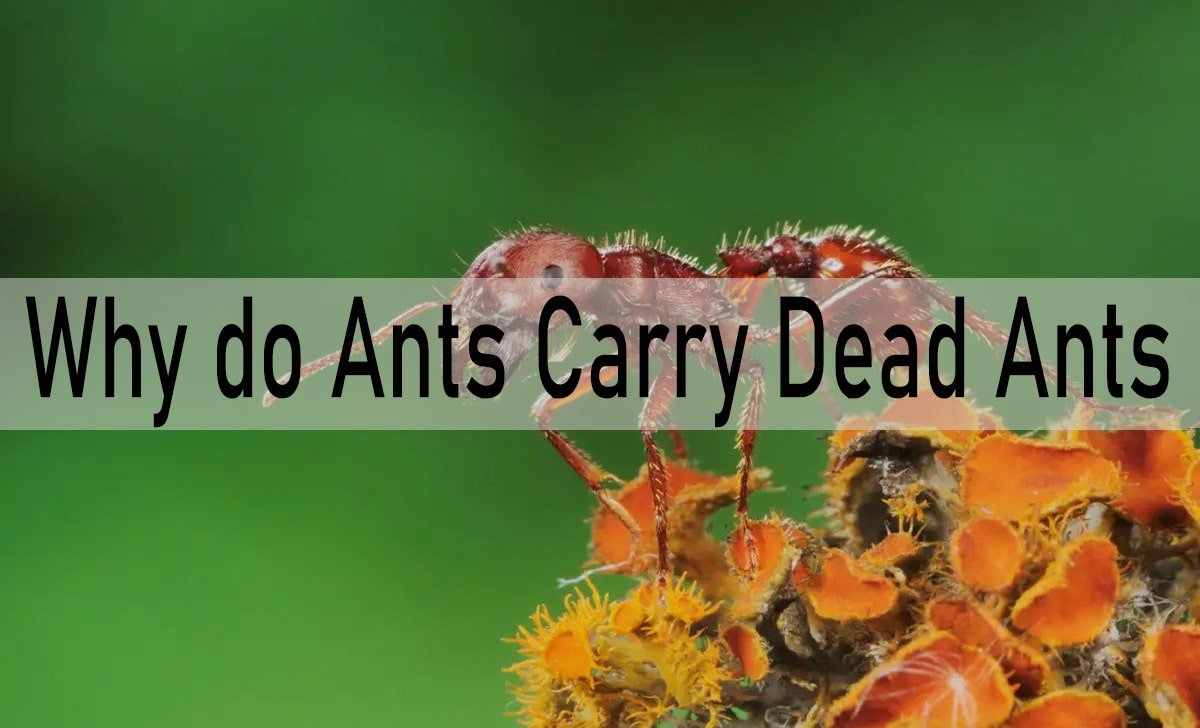
Introduction
Have you ever watched a line of ants and noticed one carrying what appears to be a deceased member of its colony? This seemingly morbid behavior might look strange to human observers, but it serves several critical purposes for ant colonies. Understanding why do ants carry dead ants reveals fascinating insights into their complex social structures and survival strategies.
Ants are among nature’s most organized creatures, with colonies that can number in the millions. Every behavior they exhibit has evolved for a reason, and their treatment of deceased colony members is no exception. From preventing disease outbreaks to maintaining colony hygiene, the act of carrying dead ants demonstrates the sophisticated ways these insects ensure their community’s survival.
This behavior, known scientifically as necrophoresis, occurs across numerous ant species worldwide. By examining the reasons behind this practice, we can better appreciate the intricate social systems that make ant colonies some of the most successful organisms on Earth.
The Primary Reasons Ants Remove Their Dead
Disease Prevention and Colony Health
The most important reason ants carry away their dead is to prevent the spread of disease and parasites. Dead ants can harbor harmful bacteria, fungi, and other pathogens that pose serious threats to colony health. By quickly removing deceased members, worker ants act as nature’s sanitation crew, protecting thousands of their nestmates from potential infections.
why do ants carry dead ants from disease, its body becomes a breeding ground for microorganisms that could devastate an entire colony. The rapid removal of these potential disease sources is so critical that ants have evolved specific behaviors to detect and respond to death within their ranks.
Maintaining Colony Hygiene
Beyond disease prevention, removing dead ants helps maintain the overall cleanliness of the nest. Decomposing organic matter attracts unwanted pests and creates unsanitary conditions that can interfere with normal colony activities. Worker ants instinctively understand that a clean nest environment is essential for successful brood rearing, food storage, and daily operations.
The removal process typically involves carrying the dead ant to designated areas away from the main nest, often called “cemetery” or “dump” sites. These locations are carefully chosen to be far enough from the colony to prevent contamination while remaining accessible to the worker ants responsible for disposal duties.
The Science of Necrophoresis
Chemical Detection Systems
Ants don’t rely on visual cues to identify their dead. Instead, they use sophisticated chemical detection systems to recognize when a colony member has died. When an ant dies, its body begins producing specific chemical compounds, including oleic acid and linoleic acid, which signal death to other ants.
These death pheromones trigger an immediate response from worker ants, who will begin the removal process within hours of death. The chemical signals are so specific that researchers have been able to fool living ants into carrying healthy nestmates by applying these compounds to them artificially.
Species Variations in Behavior
Different ant species exhibit varying approaches to dead removal. Some species, like fire ants, are extremely efficient at necrophoresis, removing dead members within 24 hours. Others may take several days to complete the process, depending on factors such as colony size, environmental conditions, and the availability of worker ants for disposal duties.
Leaf-cutter ants, for example, have been observed to be particularly meticulous about dead removal, likely because their fungus gardens require exceptionally sterile conditions to thrive. The presence of decomposing matter could contaminate their carefully cultivated food source.
Scientific Studies and Research Findings
Laboratory Observations
Researchers have conducted numerous studies to understand the mechanics and triggers of necrophoresis in ant colonies. Laboratory experiments have shown that ants can distinguish between recently dead nestmates and those that have been deceased for longer periods, with different removal urgencies applied accordingly.
One significant finding is that ants prioritize the removal of dead brood (larvae and pupae) over adult ants, suggesting they recognize the higher vulnerability of developing colony members to disease and contamination.
Field Research Results
Field studies have revealed that ant cemeteries are strategically located areas where colonies consistently deposit their dead over time. These sites often show evidence of multiple species using the same general areas, indicating that the selection of appropriate disposal locations follows consistent environmental criteria.
Research has also demonstrated that the distance dead ants are carried from the nest correlates with colony size and available worker population. Larger colonies tend to establish more distant cemetery sites, while smaller colonies may dispose of dead members closer to the nest due to resource limitations.
Fascinating Colony Maintenance Behaviors
Waste Management Systems
why do ants carry dead ants is just one aspect of ants’ comprehensive waste management systems. Many species also maintain designated areas for food waste, discarded nest materials, and other debris. This compartmentalized approach to waste disposal demonstrates remarkable organizational abilities that rival human sanitation systems.
Some ant species even practice recycling behaviors, breaking down certain organic waste materials to use in nest construction or as fertilizer for fungus gardens.
Collective Decision Making
The process of dead removal often involves multiple ants working together to make collective decisions about disposal methods and locations. When a dead ant is too large for a single worker to carry, multiple ants coordinate their efforts to transport the body efficiently.
This cooperative behavior extends to other colony maintenance activities, including nest repairs, food storage organization, and territorial defense. The seamless coordination required for these activities highlights the sophisticated communication systems ants have evolved.
Seasonal Adaptations
Ant colonies adjust their dead removal practices based on seasonal conditions and environmental factors. During winter months or periods of resource scarcity, some species may temporarily store dead members in specific nest chambers until conditions improve for proper disposal.
These adaptations demonstrate the flexibility of ant behavioral systems and their ability to modify standard practices when circumstances require alternative approaches.
Frequently Asked Questions
Do all ant species carry their dead?
Most ant species practice some form of necrophoresis, but the specific methods and timing can vary significantly. While the majority of social ant species remove their dead, some species that live in temporary nests or have very small colonies may have less elaborate disposal systems.
How quickly do ants remove dead colony members?
The timing varies by species and circumstances, but most ants begin the removal process within 12-24 hours of death. Factors such as colony size, weather conditions, and the cause of death can influence how quickly the process occurs.
Can ants tell the difference between sleeping and dead nestmates?
Yes, ants rely primarily on chemical cues rather than movement to identify death. The specific compounds released by dead ants are distinct from the pheromones produced by living ants, even when they’re inactive or resting.
What happens if dead ants aren’t removed from the colony?
Failure to remove dead ants can lead to serious problems including disease outbreaks, parasite infestations, and general nest contamination. In laboratory settings where dead removal is prevented, ant colonies often experience higher mortality rates and reduced reproductive success.
Do ants mourn their dead like humans do?
There’s no scientific evidence to suggest that ants experience grief or emotional responses to death. Their removal of dead colony members appears to be purely practical behavior driven by survival instincts and colony health maintenance rather than emotional attachment.
Understanding Nature’s Efficiency Through Ant Behavior
The practice of carrying dead ants reveals the remarkable efficiency and foresight embedded in ant social systems. These tiny insects have evolved behaviors that prioritize collective survival over individual convenience, creating some of nature’s most successful societies. Their approach to death and disposal demonstrates that even the smallest creatures can teach us valuable lessons about community health, organization, and cooperation.
Next time you observe ants in your garden or local park, take a moment to appreciate the complex social behaviors happening right before your eyes. The simple act of an ant carrying its deceased nestmate represents millions of years of evolutionary refinement and the ongoing success of one of nature’s most impressive civilizations.