 By Admin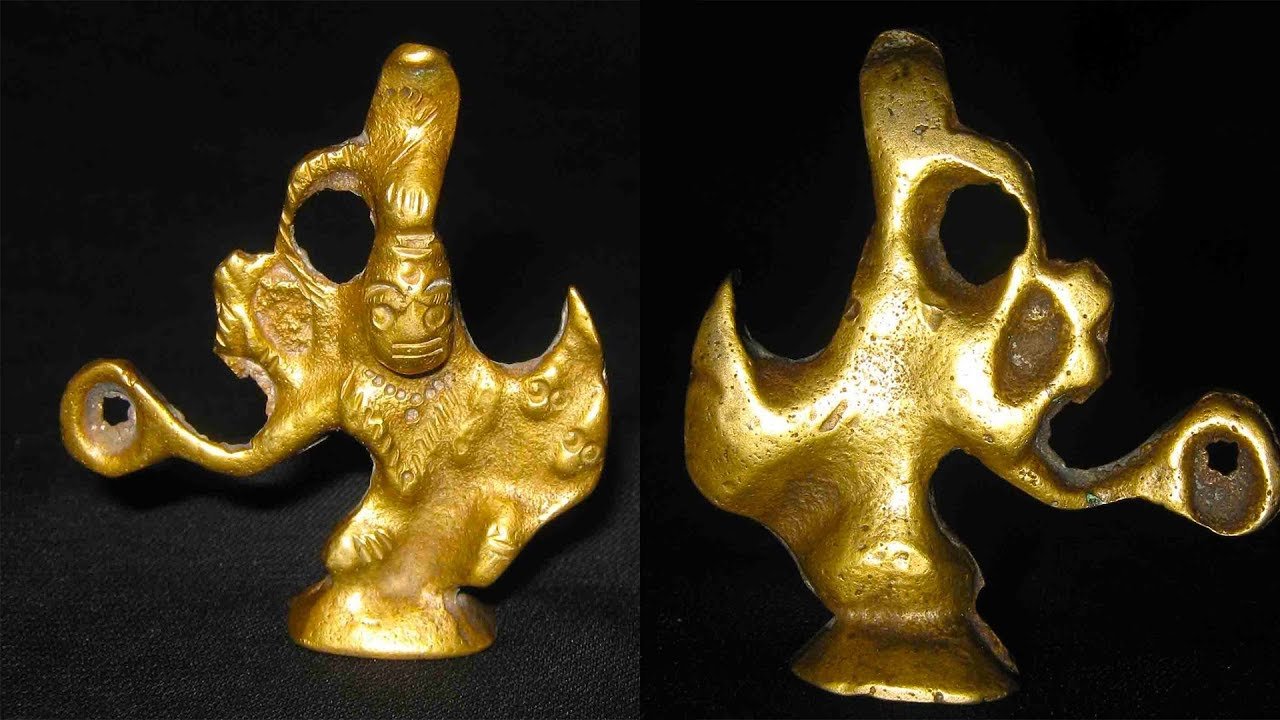
Introduction
People online love a mystery. The name kalpa vigraha has become one of those mysteries. Some posts call it the “oldest idol” ever found. Others say it can charge water and extend life. Those claims are dramatic. They also need strong proof. In this article I will tell the full story. I will explain what the phrase means. I will show where the viral claims started. I will check the science behind dating and metals. I will compare those claims to what real archaeology says. I will be plain and kind. My aim is to help you read these stories clearly. By the end, you will know what is likely true, what is doubtful, and how to check similar claims yourself.
What does “kalpa vigraha” mean?
The words are Sanskrit. Kalpa can mean a ritual rule, a long age, or a sacred precept. Vigraha means an image or idol. Put together, kalpa vigraha suggests a sacred or ritually important image. People sometimes use the phrase to mean a timeless or special idol. The term itself does not prove age or power. It simply describes a statue or image that was treated as holy. In many Hindu temples, a vigraha gets special care and ceremonies. That cultural meaning helps explain why the name caught on when a mysterious little figure was shown online. The name sounds weighty, and that makes the story more shareable.
The viral story in short
The widely shared story says a small metal figurine called kalpa vigraha was found in a heavy wooden chest. The chest was supposedly from Mustang (Lo Monthang) in the Himalaya. The tale claims the chest was handed to U.S. intelligence in the 1950s. It then says the wood was carbon-dated to about 26,450 BCE. That date makes the chest older than most known civilizations. The story adds that a secret translation showed the idol could “charge” water. Reportedly, the CIA tested the idea in the 1960s. The rumor says people who drank the water lived unusually long lives. This whole narrative spread across blogs, forums, and social sites over years. Much of the text online repeats the same details without backing documents.
Where the story likely came from
If you trace the tale, you find it in many informal places. Blogs, message boards, and uploaded PDFs carry versions of the same plot. A few posts present retired-officer anecdotes or anonymous “sources.” Some pages present photos of a small metal figure and call it the kalpa vigraha. Other versions mix in extra details, like rewards for finding the idol or mysterious deaths tied to the story. The trouble is that those pages rarely link to museum records, published lab reports, or peer-reviewed studies. Serious archaeology and museum catalogues do not list a verified metal idol of that age with that provenience. That absence is a major red flag for researchers. In short, the story has a long oral-web life but weak documentary backing.
Radiocarbon dating — what it can and cannot tell us
Radiocarbon dating is powerful. Labs measure carbon isotopes in organic material. This method dates wood, cloth, bone, and other once-living things. But it does not date metal directly. If a wood box around an object is dated, the date tells when the wood stopped growing. That helps for context. It does not automatically date the metal object inside. Also, dates come with ranges and uncertainties. Old samples, contamination, or misapplied samples can mislead. Labs publish calibration data and error margins. Good practice uses multiple independent tests and clear chain of custody. Extraordinary claims, like a metal idol from 28,000 years ago, need multiple, traceable lab reports and published analysis. Without those, a single reported radiocarbon number is not proof.
Metallurgy timeline vs the kalpa vigraha claim
The claim that a metal idol (brass or bronze) is 26,000 BCE conflicts with what we know about metalworking. Archaeology shows early copper use begins many thousands of years later than that date. The Bronze Age, when people commonly made metal statues, starts in different places between about 3500 and 2000 BCE. In the Indian subcontinent, the Indus Valley shows bronze objects around the third millennium BCE. Simple copper use appears earlier but still in the many-thousands-of-years-ago range not tens of thousands. So a securely dated, intentionally cast metal figurine from 26,000 BCE would rewrite our view of ancient technology. That makes the claim extraordinary. Extraordinary claims require extraordinary, well-documented evidence.
What archaeologists actually consider the oldest figurines
People sometimes point to very ancient figurines to argue that humans made art long ago. That is true. But the oldest sure human figurines are usually carved from bone, ivory, or stone not metal. For example, the famous Lion-man figure carved from mammoth ivory is about 35,000–40,000 years old. It is often called one of the oldest known statues. The material and technology are very different from metal casting. The Lion-man shows great skill in carving. It does not show lost-wax casting or alloy technology. That matters. A claim that kalpa vigraha is a metal idol from a similar deep time needs equally strong evidence and museum documentation.
Why experts are skeptical about the kalpa vigraha claim
Scholars ask for provenance. They want to see where an object was found. They want lab reports, museum accession records, and peer-reviewed studies. For the kalpa vigraha story, those documents are missing in public scholarly records. Claims circulate in blogs, social posts, and hearsay. That is not the same as published archaeology. Another reason for skepticism is metallurgy: many laboratories and archaeologists have studied early metal use. None have reported a reliably dated cast metal idol that far back in time. Finally, extraordinary add-ons like secret CIA longevity experiments are dramatic. But dramatic claims need primary source evidence. Right now, that evidence is not in public, peer-reviewed archives.
How myths like kalpa vigraha spread so fast
The tale of a tiny idol that grants long life checks many boxes. It links to national pride, ancient wisdom, secret labs, and a thrilling mystery. Social media rewards vivid stories. A short, dramatic claim travels easily. People then repost without checking. Over time, small changes and extra details get added. The net result looks like a rich archive of evidence. But it is often just repeated storytelling. False or weakly supported claims find believers quickly. That makes digital fact checking hard. The right move is to ask for primary proof. Photos alone are not proof. Old wood samples need lab reports. Statements from anonymous “retired agents” are not peer reviewed. If you read a post about kalpa vigraha, look for real lab papers and museum records. If none exist, treat the claim with caution.
Cultural and spiritual views on sacred idols like kalpa vigraha
Whether or not the kalpa vigraha story is true, sacred idols matter deeply to many people. Vigrahas are not just art. They are focus points for worship, memory, and culture. For believers, an idol can be a living presence. For scholars, a vigraha is a historical object with context. I respect both views. Respecting religious feeling does not mean we should accept every historical claim without evidence. It does mean that when people care about an artifact’s story, we listen kindly and try to find the best records. If someone in your family reveres an old statue, that reverence is real. It deserves care, honesty, and good history.
What credible evidence for kalpa vigraha would look like
If a claim like kalpa vigraha were to be proven, we would expect certain things. First, the object should be in an accredited museum or university collection. There should be accession numbers and clear acquisition records. Second, there should be published lab reports. For wood or organic material, several independent radiocarbon dates should agree. For the metal, metallurgical analysis should be done by recognized labs and published. Third, peer-reviewed articles should discuss the find. Finally, other scholars should be able to examine the object. Right now, the kalpa vigraha story lacks those elements in public. That absence is what keeps it in the realm of legend rather than confirmed history.
How to check similar claims quickly — a short checklist
Here is a simple checklist you can use when you see big claims about ancient artifacts like kalpa vigraha:
- Does the story link to a museum or university record?
- Are lab reports published in peer-reviewed journals?
- Do multiple independent labs confirm dating?
- Is the object available for study by experts?
- Do reputable news outlets or academic sources report the find?
If the answer is “no” to most of these, treat the claim as unverified. This checklist helps keep love of mystery from turning into misinformation. It also protects cultural heritage from being misused by rumor.
If kalpa vigraha were real — the implications
A securely dated metal idol from 26,000 BCE would change archaeological textbooks. It would force researchers to rethink the timeline of metallurgy. It would push archaeologists to seek more context in the region. It would spark careful re-examination of radiocarbon methods, too. Science would be excited and cautious at once. New teams would test samples and write papers. Museums would want to study the piece. Such a discovery would be thrilling. But science also demands transparency. Proof must be clear and reproducible. Until that happens for kalpa vigraha, the responsible conclusion is that the story is a fascinating rumor, not a confirmed fact.
My personal take and why I care
I love a good mystery. I also teach people to read evidence. The kalpa vigraha story mixes two powerful human loves: reverence for the past, and wonder at the unknown. I respect those feelings. I also want solid answers. When a claim could rewrite history, it should be open to public scrutiny. That protects both science and culture. My advice is simple. Keep your wonder. Ask for sources. When you find lab reports, museum entries, and peer review, celebrate with healthy skepticism turned to joy.
Conclusion — curiosity plus careful standards
The kalpa vigraha story makes for fascinating reading. The claim is dramatic. But drama is not the same as proof. Right now, the tale lives mostly on blogs and social posts. It lacks the museum records and lab papers we need. Archaeology shows metalworking and bronze art appear long after the dates claimed. Older figurines exist, but they are carved from ivory or bone, not cast metal. That matters. If you love history, keep asking for evidence. If you care about culture, protect objects and stories with respect.
FAQs (six common questions about kalpa vigraha)
1) Is the kalpa vigraha definitely a fake?
No single public source proves it is real or fake. Many claims about kalpa vigraha lack primary evidence. Scholarly and museum records do not corroborate the dramatic age and CIA-experiment story. That absence makes the claim unreliable until stronger, published proof appears. Treat it as unverified.
2) Could a metal idol survive 28,000 years?
Metal can survive a very long time in the right conditions. But making a cast metal idol that far back would require metallurgy knowledge far earlier than current archaeology shows. Most securely dated prehistoric figurines from that deep time are carved, not cast. The material and technological mismatch is a major reason for skepticism.
3) Why do people mention the CIA in this story?
The CIA angle appears in many blog versions. That thread likely helped the tale spread. But claims that intelligence agencies tested or hid the object remain unsupported in public archives and credible reporting.
4) Are there any reliable photos of the kalpa vigraha?
You can find photos circulating on the web. Photos alone do not prove authenticity or age. Provenance, lab reports, and museum records are needed to verify an object’s history. Without those, images are insufficient evidence.
5) Could the alleged “charged water” effect be real?
Claims that water charged by an idol increases human lifespan are extraordinary. Such biomedical claims require controlled clinical trials, ethical oversight, and peer-reviewed publication. No credible clinical data or published studies support the charged-water story tied to kalpa vigraha.
6) If I want to learn more, where should I look?
Start with museum databases and peer-reviewed archaeology journals. Look for lab-published radiocarbon dates and metallurgical reports. Reputable institutions like museum websites, academic press, and established journals are key.