 By Admin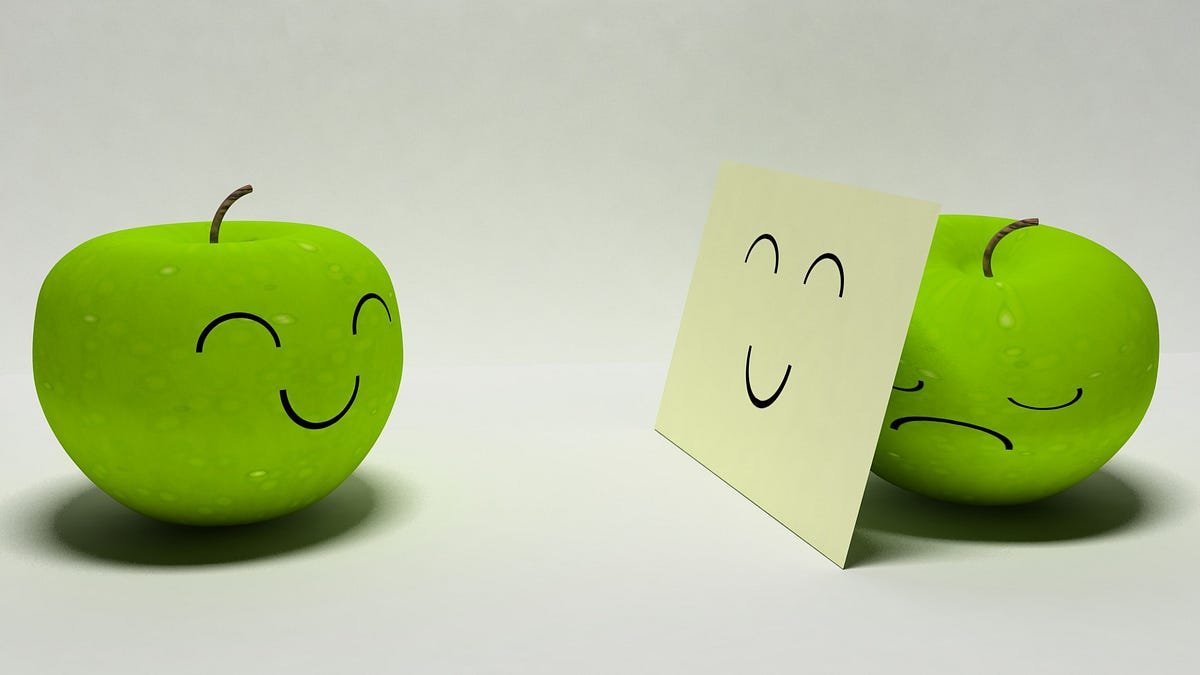
Introduction
A smile can warm a room. It can lift a mood for a minute. But a smile can hide so much pain, too. Many people wear a smile like a mask. They do this to protect themselves. They also do it to protect others. This article explains why smiles sometimes hide deep hurt. It shows signs to watch for. It offers simple steps to help someone who hides pain. I will share clear tips you can use right away. The language is simple. Sentences stay short and easy. You will find examples and real-life ideas. By the end you will know how to notice pain, and how to be kind in the right way.
What “a smile can hide so much pain” really means
The phrase “a smile can hide so much pain” speaks to a private truth. People often present a happy face while feeling hurt inside. This can happen for many reasons. Some fear being judged. Some don’t want to burden others. Others think smiling will make the pain feel smaller. When we say a smile can hide so much pain, we mean the outside and the inside do not match. The visible friendliness can mask real struggle. Learning this helps us be more curious and less quick to assume. It also helps us treat people with more care. If we remember that smiles can cover pain, we may ask kinder questions.
Why people hide pain behind smiles
People hide pain because it feels safer. Many fear being weak or a bother. Social rules can push people to seem okay. Some grew up in places where sharing feelings was not allowed. Also, some simply do not know how to say what they feel. A smile becomes a simple tool to keep the world calm. Others fear loss, job trouble, or family trouble if they show pain. There is also shame with mental health in many places. So people choose to smile instead. Understanding these reasons helps us stop blaming the person who smiles. It helps us offer support in ways that feel natural and safe.
Common signs someone is hurting inside
A happy face can hide pain, but small signs can appear. Watch for changes in sleep or appetite. Notice if energy drops or if jokes turn sharp. Someone might miss plans or reply less often. They may seem more irritable than usual. Their eyes can look distant when they smile. They might make more self-deprecating jokes. Clues can also be subtle body language shifts. Tone of voice and shorter replies matter too. If you see several signs, be gentle and check in. Remember, a single sign does not prove pain. But patterns are worth caring about.
The cost of hiding pain
Hiding pain can feel useful short term. But long term it can harm health. Stress that stays inside can make sleep worse. It can increase sadness and anxiety over time. Relationships may weaken if pain is not shared. People who hide pain may also miss help they need. Work or school can suffer quietly. Physical symptoms like headaches and stomach pain can follow. Hiding emotions can also make people feel very alone. That is why gentle support matters. When we create safe spaces, we help prevent this long-term harm. A smile that hides pain needs a patient friend sometimes.
How to respond when someone smiles but seems off
When a smile hides pain, your words matter. Start small and kind. Say something like, “You seem a little different today. Are you okay?” Keep your voice calm and warm. Do not demand an answer. Give space if they need it. Offer simple, specific help. For example, “Would you like to talk now or later?” or “Can I bring you tea?” Show you care with action, not pressure. Respect their privacy if they decline. Check back later with the same gentle tone. Small, repeated offers help more than one big question. Your steady presence can lower the urge to hide pain.
Coping strategies for people who hide pain
If you find yourself hiding pain, small steps can help. First, name one feeling in a sentence. Try, “I feel tired” or “I feel sad.” Short words make sharing easier. Second, tell one trusted person what you feel. It could be a friend, family member, or counselor. Third, use simple self-care tools. Walk, breathe deeply, or write one page. Fourth, limit rumination by setting a short worry time each day. Last, if feelings last more than two weeks, seek a professional. Keep steps small and repeat them. Healing does not need to be fast. Little daily steps can bring big changes.
How friends and family can help
Friends and family play a key role when a smile hides pain. First, listen without trying to fix everything. Say, “I am here for you,” and mean it. Second, avoid saying things that minimize feelings. Phrases like “Just be happy” can shut down talk. Third, offer help with daily tasks. Cooking or running an errand can lift a heavy day. Fourth, respect their pace. If they are not ready to talk, keep offering low-pressure support. Fifth, encourage professional help gently if you think it will help. Small acts of steadiness help more than big speeches.
When to seek professional help
Sometimes, hiding pain needs expert care. If sadness or worry lasts many weeks, get professional help. If thoughts of harming yourself happen, seek help now. If daily tasks become very hard, talk to a doctor or counselor. Therapists can teach tools to share feelings and cope. Doctors can check for physical causes of mood changes. Schools and workplaces often have support programs too. Asking for help is a sign of strength, not weakness. If you are unsure who to call, start with a general practitioner or a local mental health line. Reach out. Professionals know paths that friends may not.
Stories and examples that build trust
Stories help us see how a smile can hide so much pain in real life. One person kept smiling at work while grieving at home. Small offers from a coworker made it easier to open up. Another parent hid anxiety behind a busy schedule. A neighbor’s simple invitation to walk made a big difference. These stories are not rare. They show that small, kind acts can change days and lives. You do not need to be a perfect helper to matter. Just being present makes a real difference. When people feel safe, they often start to share more honestly.
The role of culture and social media
Culture and social media shape how we hide pain. Many cultures value strength and quiet endurance. Social media can push a perfection view of life. People post smiles and highlight reels, not hard days. This can make others feel they must hide pain too. It also sets a false standard for happiness. Awareness helps. Limit time on platforms that make you feel small. Share honest moments with a trusted circle instead. Build norms in your group that allow real feelings, not just smiles. Changing small cultural habits can free many people to speak up.
Moving from hiding to healing: small steps to try
Healing after hiding pain needs steady, small steps. Start with one short honest sentence each day. Try telling a friend one small truth. Use breathing or movement to calm your body. Keep a private journal to practice being honest. Make a list of people who make you feel safe. Schedule a check-in call once a week with someone trusted. If your heart feels heavy, find a therapist or counselor to talk with. Remember, healing is a slow path. Celebrate small wins like one honest talk. Over time, the urge to hide will ease and real smiles can return.
Simple phrases that invite sharing
Words can open doors when a smile hides pain. Try gentle, open phrases. “I’m here when you want to talk,” feels safe. “You don’t have to say it now. I can listen later.” “I noticed you seem different today. Want to share?” works well too. Ask one question, then listen. Avoid too many questions at once. Keep your tone warm and your body language open. A text message can be easier than a face conversation. Small, clear offers lower the pressure. Practice these lines so you can use them when someone needs you.
FAQs
Q1: How can I know if someone’s smile hides pain?
Look for changes in behavior, sleep, or interest in activities. Notice if they pull back from plans. A smile that hides pain often comes with small signals. These signals might be tired eyes, shorter replies, or lost focus. Trust patterns, not single moments. If you see a few signs, ask gently. Offer low-pressure support. Simple check-ins matter more than big confrontations. Let them decide how much to share. Your steady care can make a difference.
Q2: What can I say to someone who hides pain?
Say short, caring phrases that do not push. For example, “I’m here for you,” or “I noticed you seem off today.” Offer help with small tasks, like coffee or a walk. Avoid saying their pain is “not that bad.” Let them lead the pace. If they decline, try again later. Repetition shows you mean it. Practical help is often more welcome than advice. Be patient and keep your offers clear.
Q3: Is smiling always bad if someone is hurting?
No. Smiling can be a real comfort. It can be a healthy coping tool for some people. But when a smile hides pain for a long time, it can block needed help. Balance matters. Encourage honest talk when it feels right. Let people use smiles if they help. Also offer times for real sharing. Both can exist together and both can help.
Q4: Can hiding pain cause physical illness?
Yes. Long-term stress and emotional hiding can affect the body. Sleep trouble, headaches, and stomach issues can follow. Chronic stress affects the immune system too. That is why care and early help matter. Share worries with a doctor if you notice ongoing body symptoms. Treating both mind and body often helps recovery.
Q5: How do I help someone who refuses help?
Respect their choice and stay available. Keep offering small, practical help. Try nonverbal support, like bringing food or sending a short note. Encourage safe activities together. Suggest professional help gently rather than push it. If you worry for their safety, seek guidance from a professional or a crisis service. Your steady presence matters a lot over time.
Q6: Where can I learn more about dealing with hidden pain?
Look for trusted mental health resources and local services. Books on emotional health and simple coping can help. Many clinics and community centers offer free guides. Schools and workplaces may have counselors. If you are in doubt, a general doctor can point you to the right resources. Joining a support group can also help. Talking with others makes the path less lonely.
Conclusion
A smile can heal and a smile can hide. When a smile hides pain, kind action matters. Small, steady offers of care can change a person’s day. Simple words and short invites help more than one big speech. If you suspect someone is hurting, check in gently. If you hide pain, try one small honest step today. Reach out to one trusted person or a professional if needed. Share this article with someone who might benefit. Leave a comment or tell a friend you are there. Together, we can make spaces where smiles match what people feel inside.