 By Admin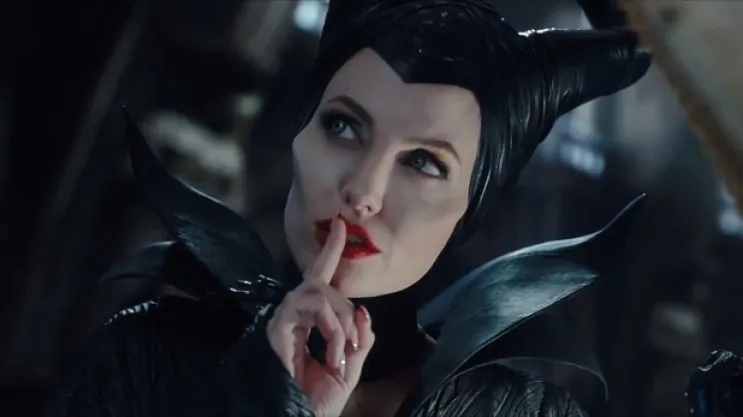
Introduction to Maleficent and her character in Disney’s Sleeping Beauty
When we think of Disney villains, iconic characters like Maleficent instantly come to mind. With her haunting presence and fierce demeanor, she captivates audiences in a way that few others can. Unlike sidekick-loving villains who rely on henchmen for their power, Maleficent stands alone—an independent force to be reckoned with. Her complex motivations and striking backstory make her not just a villain but an unforgettable character etched into the fabric of pop culture. As we delve deeper into why *maleficent wouldnt be a lacky*, we’ll uncover how this powerful fairy defies convention and redefines what it means to be evil in the most compelling way possible.
Analysis of Maleficent’s actions and motives in the film
Maleficent’s actions in Disney’s Sleeping Beauty reveal a complex character driven by deep emotional wounds. Initially, she embodies the archetype of a villain with her curse on Aurora, but her motives run deeper than mere spite.
Her anger stems from betrayal. After being wronged by King Stefan, Maleficent transforms from protector to avenger. This pivotal moment shifts her trajectory and showcases how heartbreak can twist even the purest intentions into darker paths.
Yet there’s more to her than vengeance. As the story unfolds, we see glimpses of vulnerability beneath her fearsome exterior. Her relationship with Aurora evolves from enemy to surrogate mother figure, highlighting an unexpected depth that challenges traditional notions of evil.
Through these layers, Maleficent becomes not just a foe but a tragic figure shaped by love and loss—a stark contrast to typical villains who lack such complexity.
Comparison to other Disney villains and how Maleficent breaks the mold
When we think of Disney villains, many have a common thread. They often serve as pawns to greater evils or act under the influence of others. Characters like Scar and Jafar show us that manipulation is a key trait among Disney’s antagonists.
Maleficent stands apart in this realm. She does not play second fiddle to anyone. Instead, she commands her own narrative with fierce independence. Unlike other villains who are driven by revenge or jealousy, Maleficent’s motives are layered and complex.
Her character evolves beyond simple evil for evil’s sake. This depth adds richness rarely seen in the villain archetype within animated films. Her backstory reveals pain and betrayal, transforming her into more than just an antagonist; she becomes a powerful symbol of autonomy.
In embracing her individuality, Maleficent defies traditional roles within the Disney universe, leaving an indelible mark on storytelling conventions.
Exploration of Maleficent’s backstory and how it adds depth to her character
Maleficent’s backstory is a rich tapestry woven with betrayal and loss. Originally portrayed as a dark fairy in Disney’s “Sleeping Beauty,” her character evolves significantly in the 2014 film, revealing layers of complexity.
She was once a protector of the Moors, embodying beauty and strength. Her transformation into the antagonist stems from deep scars inflicted by those she loved. The heart-wrenching betrayal by King Stefan shatters her world, igniting a fierce desire for revenge.
This emotional depth distinguishes Maleficent from typical villains who often lack genuine motivation beyond mere evilness. Her bitterness isn’t just about power; it’s deeply personal.
With each revelation about her past, viewers can empathize rather than merely despise her actions. This nuanced portrayal invites audiences to reflect on themes of love, loss, and redemption—elements that resonate long after the credits roll.
Discussion on how Maleficent ultimately stands alone as a powerful, independent villain
Maleficent is unlike any other Disney villain. She embodies strength, independence, and complexity. Her power comes not just from her magical abilities but also from her unyielding spirit.
Throughout the story, she operates on her own terms. Unlike many villains who serve a master or follow others’ commands, Maleficent crafts her destiny. This autonomy sets her apart in a realm full of lackeys and minions.
Her motivations are deeply personal, rooted in betrayal and loss rather than mere ambition for control. When she curses Aurora, it’s an act fueled by emotion rather than a desire to dominate.
This multifaceted nature elevates Maleficent beyond traditional villainy. She stands as a symbol of fierce individuality—someone who does not conform to expectations or societal norms. Her legacy reshapes how we view female characters in media today, proving that true power lies in being unapologetically oneself.
Impact of Maleficent’s character on popular culture and representation of women in media
Maleficent’s character has left an indelible mark on popular culture, transcending her role as merely a villain. She stands out not just for her powerful presence but also for the complex layers that define her. Unlike many Disney antagonists who are often portrayed as one-dimensional, Maleficent’s depth resonates with audiences around the world.
Her transformation from a scorned fairy to a fierce protector challenges traditional gender roles in storytelling. Women in media have historically been depicted in passive or subordinate positions, often defined by their relationships with male characters. Maleficent defies this narrative; she is neither a lackey nor someone relegated to shadowy corners of power dynamics.
This shift encourages viewers—especially young girls—to embrace their strength and individuality. By showcasing a woman who operates independently of others’ expectations, Maleficent paves the way for more nuanced female characters in film and television.
The impact extends beyond entertainment; it influences discussions about representation and empowerment within society at large. As we celebrate strong female figures like Maleficent, we recognize that complexity does not negate strength—it enhances it. Her legacy continues to inspire new generations to see villains not just as adversaries but as multifaceted beings shaped by their experiences and choices. The cultural conversation surrounding such characters is vital; it invites us all to reflect on our understanding of good versus evil, and everything in between.